
Portrait photography has always been personal, but lately it feels different.
Clients are not only looking for technically perfect images anymore. They still care about quality, lighting, posing, and editing, of course. But the portraits that often matter most are the ones that feel honest. The laugh that was not fully posed. The glance between family members. The quiet confidence of a senior. The movement, the mood, the small in-between moments that say something real about the person being photographed.
That shift matters for photographers.
Because when portrait photography becomes more personal, the final product should become more personal too.
A digital gallery is useful. It gives clients access to their images, makes sharing easy, and helps them select favorites. But a gallery is not the same as a finished story. It is a collection. An album is different. An album gives the session shape. It helps turn individual portraits into something clients can revisit, hold, share, and keep.
For portrait photographers, this is an opportunity.
The best portrait work is becoming less performative
For years, a lot of portrait photography was built around polish. Perfect smiles. Perfect outfits. Perfect backgrounds. Perfect editing.
There is nothing wrong with polish. Clients still want to look good, and photographers should still deliver work that feels intentional and professional. But the most meaningful portrait sessions often include more than the “safe” images.
A strong modern portrait session may include:
- A traditional hero portrait
- A candid laugh
- A quiet, reflective frame
- Hands, details, or movement
- Environmental images that show place and personality
- Images with parents, children, partners, pets, or meaningful objects
- A few imperfect but emotionally honest moments
Those images may not all be the obvious favorites in a proofing gallery. But together, they tell a fuller story.
That is where albums become powerful.
Albums help clients see the story, not just the images
When clients look through a gallery, they often evaluate images one at a time.
- “Do I like how I look in this one?”
- “Is this the best smile?”
- “Should we choose color or black and white?”
- “Do we need this one if we already picked a similar image?”
That kind of selection process is natural, but it can also flatten the emotional value of the session. Clients may skip over images that are important to the story because they are not thinking in terms of sequence, pacing, or memory.
An album changes the conversation.
Instead of asking, “Which image is best?” the album asks, “What does this collection say?”
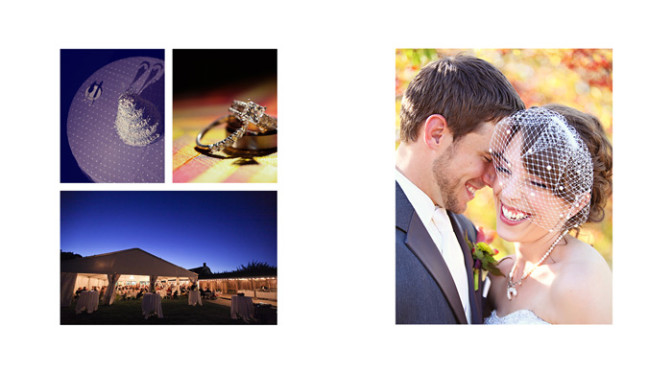
A senior portrait album might show confidence, transition, family pride, and personality. A family album might show connection, chaos, tenderness, and growth. A branding portrait album might show not just what someone looks like, but how they want to be understood.
The album gives the work rhythm. It creates a beginning, middle, and end. It allows quiet images to support stronger ones. It turns details into context. It gives clients a reason to keep more than just the obvious favorites.
Personal albums require better collaboration
The more personal the album, the more important the proofing process becomes.
When an album is only a set of pretty images, approval is simple. But when the album is meant to reflect identity, relationships, emotion, or a milestone, clients may have more nuanced feedback.
- They may love the design but want one expression swapped.
- They may prefer a different image of a child.
- They may want a certain family member included more prominently.
- They may not know how to explain what feels off, but they can point to the spread and comment directly.
This is where album proofing matters.
If you don’t have an album proofing solution, give this one a try….for FREE.
Email threads, screenshots, text messages, and vague notes can turn a thoughtful album into a frustrating revision process. A client might say, “Can we replace the image on the left?” but the photographer still has to figure out which spread, which image, and which version they mean.
That friction is unnecessary.
A good proofing process should let clients respond to the album in context. They should be able to review the design as a whole, comment clearly, request changes, and approve the final version without confusion.
That is exactly the kind of workflow Banti Album Proofing was built to support. Instead of managing feedback through scattered messages, photographers can present album designs clearly, collect comments directly on the proof, and move clients toward approval with less back-and-forth.
What should go into a more personal portrait album?
A modern portrait album does not need to be complicated. In fact, the best ones often feel simple. But they are not random.
They are designed with emotional pacing.
For portrait photographers, that may mean building albums around a few intentional categories.
The anchor image
Start with a strong portrait that sets the tone. This might be the image the client expected to love: confident, polished, flattering, and clean.
The personality images
These are the frames that feel specific to the person. A laugh, a gesture, a look, a posture, a location, a prop, or an expression that would not belong to anyone else.
The relationship images
For family, maternity, senior, and personal branding sessions, relationships often matter as much as the individual portrait. Include the people, pets, or interactions that give the session emotional weight.
The quiet images
Not every spread needs to shout. A thoughtful album often needs breathing room: a black-and-white portrait, a detail, a softer expression, or a wide environmental image.
The closing image
End with something that feels resolved. It does not have to be the “best” image. It should feel like the right final note.
This kind of album feels less like a product add-on and more like the natural completion of the session.
Albums also help photographers sell with more purpose
Many photographers hesitate to sell albums because they do not want to feel pushy. That is understandable.
But albums do not need to be sold as an upsell. They can be presented as the best way to preserve the work.
The difference is in the framing.
Instead of saying, “Would you like to add an album?” try positioning the album earlier in the client experience:
“During the session, I’ll be photographing a mix of portraits, details, and in-between moments so we have enough variety to design something that feels like a complete story.”
That changes the album from an optional product into part of the creative process.
It also helps clients understand why you are taking more than just the obvious images. You are not overshooting. You are building material for a finished piece.
Digital is convenient. Albums are intentional.
Most clients already have thousands of images on their phones. They are surrounded by digital pictures every day. That makes photography more accessible, but it also makes individual images easier to forget.
An album does the opposite.
It slows the work down. It gives images permanence. It tells the client, “This mattered enough to print, sequence, and preserve.”
That message is especially important in portrait photography, where the subject is often a person, family, season, milestone, or identity that will keep changing.
Children grow. Seniors graduate. Families shift. Brands evolve. People move through seasons of life quickly.
A gallery stores the images. An album gives them a place.
The takeaway for portrait photographers
If portrait photography is becoming more personal, albums should not feel generic.
They should not be treated as a folder of favorites printed into pages. They should feel designed, intentional, and emotionally specific to the client.
That does not mean every album needs to be elaborate. It means the album should reflect the real value of the session: not just how people looked, but who they were in that moment.
For photographers, this creates a better client experience and a stronger business opportunity. Albums give you a way to extend the value of your work beyond the gallery. They help clients understand the story you captured. And with a clear proofing process, they can collaborate on the final design without slowing everything down.
Portrait photography is getting more personal. The album should be where that personal story comes together.